How I got here.
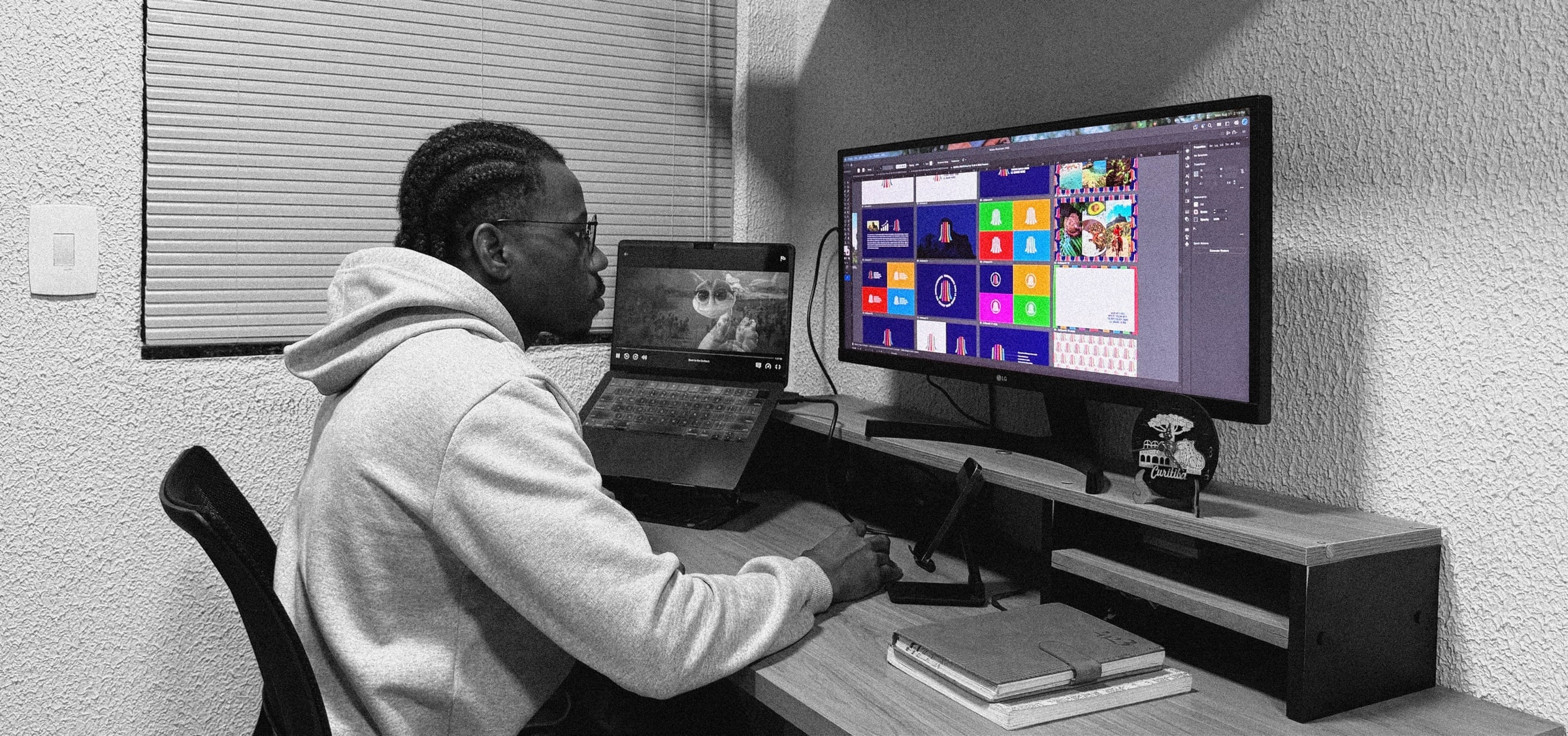
It started long before I had a word for any of it. As a child, I was the one who noticed things nobody else seemed to register: the way a logo felt subtly wrong even when I couldn’t say why, the way a single colour could change the entire mood of a room, the way some names lodged themselves in your memory forever while others vanished the moment you looked away. I wasn’t studying identity. I was simply unable to stop seeing it, in everything, all the time. That kind of attention doesn’t feel like a gift when you’re young. It feels like noise. It took years to understand it was actually a compass.
That compass finally found its language in 2018, in Port-au-Prince, Haiti, at one of the country’s leading technical schools, where I enrolled to train as a computer science technician, not a designer. Graphic design entered my life almost as an afterthought, a single module tucked inside a much larger technical curriculum. But the moment I touched it, everything the child in me had been noticing for years suddenly had somewhere to go. I wasn’t learning a new skill. I was finally being handed the vocabulary for something I’d already been doing instinctively my whole life.
The real turning point came fast, faster than I was ready for. In my second year, still a student with more theory than experience, a company trusted me to build its entire visual identity from nothing. I remember the weight of that moment more than the details of the brief: the realization that someone was staking their business, their name, their credibility, on my judgment. I said yes anyway. That project became the proof I’ve carried ever since: precision isn’t just a technical habit, it’s a form of respect. The same rigor that makes a system run without failure is the exact rigor that makes a brand impossible to look away from.
Today, that dual foundation, an engineer’s obsession with structure and a designer’s instinct for what moves people, shows up in every project I touch, whether the client is a corporation, a founder, or an artist. Strategy always comes before style. Nothing is decorative unless it’s also deliberate. And every identity I build still starts exactly where it started for me at nineteen: with the discipline to notice what’s actually true, and the craft to make sure no one can ignore it again.
What drives me.
I don’t do this for the applause. I do it because most people, and most brands, are walking around with their real value hidden in plain sight, and that feels like a waste I can’t ignore.
Every project starts the same way: not with a mood board, but with a question. What is actually true here, that hasn’t been said yet? Corporation, professional, or artist, it doesn’t matter. The moment someone stops managing how they’re perceived and starts building from what’s real, everything changes: how they’re trusted, how they’re remembered, how they’re paid.
That’s the job. Not to make things look good. To make the truth impossible to miss.
Beyond the work.
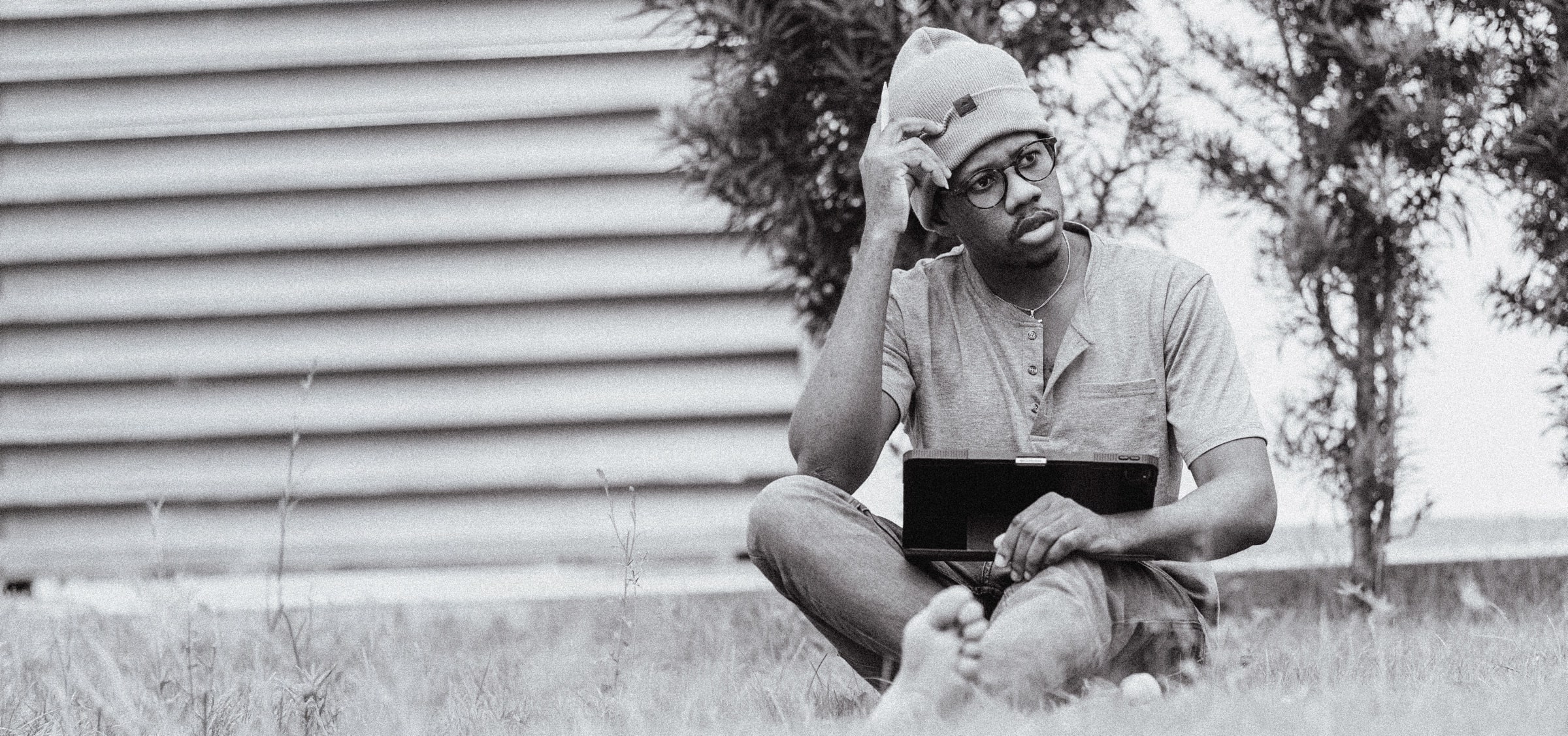
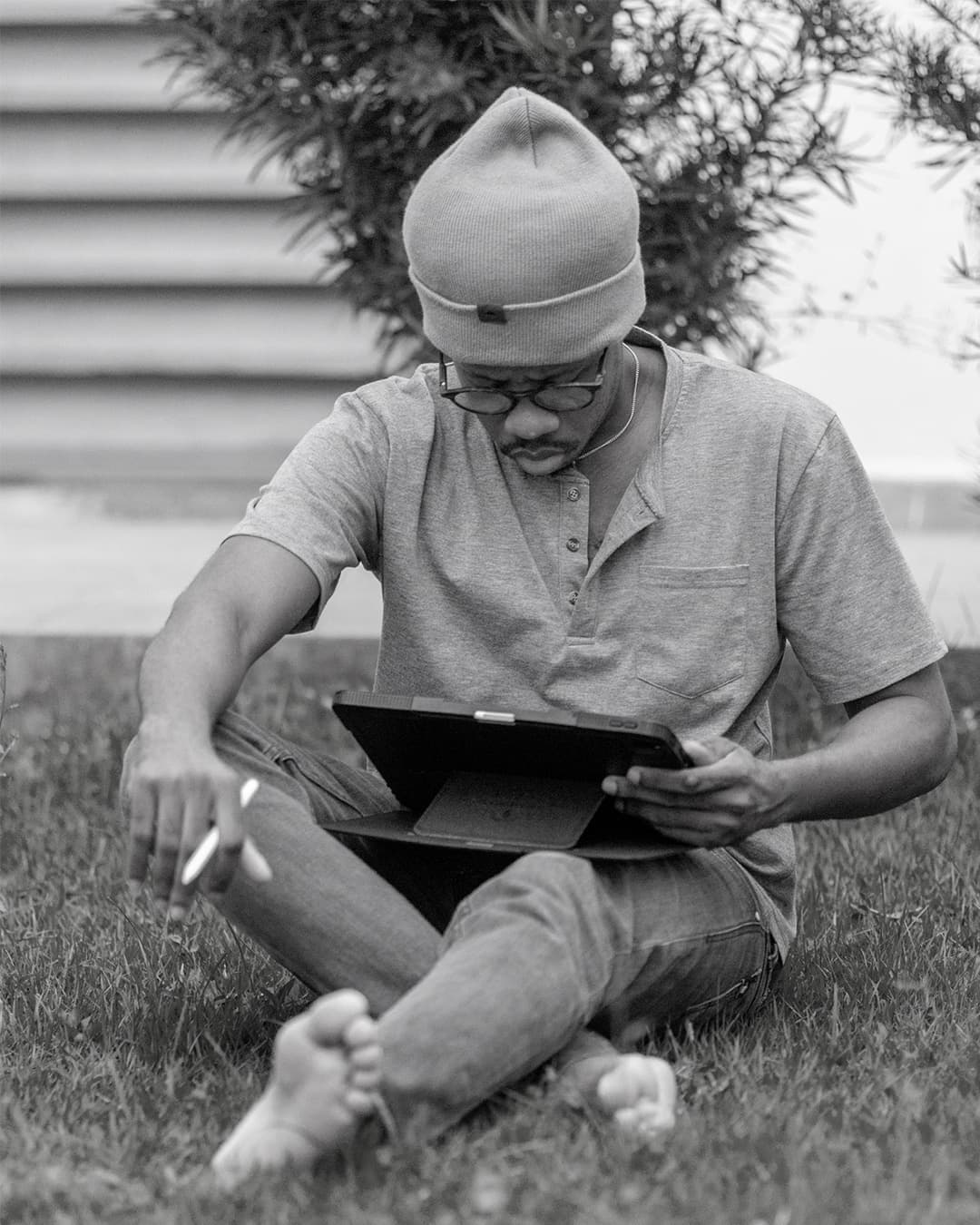
Outside brand strategy, I’m still building. I run my own digital ventures, and digital marketing is as much an obsession as design: understanding how attention moves, what makes someone stop scrolling and actually stay, never really leaves me.
The rest of my life follows the same instinct that runs through my work: notice, refine, repeat. I play guitar. I train, because discipline in the gym and discipline in a brand system come from the same place. I spend hours in tutorials and podcasts from people who think sharper than I do, not to collect information, but because learning never stops feeling urgent to me.
I’m drawn to nature for the same reason I’m drawn to identity: it rewards attention. Look closely enough at anything and it starts telling you the truth about itself.
I hold myself to a standard most people would call excessive. Everything I touch, a project, a room, a plan, has to be right, not almost right. And I do my best thinking alone. Solitude isn’t withdrawal for me, it’s where I actually interrogate myself and question my own decisions before anyone else has to. It’s how ambition stays honest instead of becoming noise.
I think in decades, not quarters.
If what you’ve read here resonates, you already know what the next step is.
Brands I’ve worked for